Alperton HA0 Gardening Services for Communal Flats
If you manage or live in a communal flat in Alperton, HA0, you already know the garden space can go one of two ways: it becomes a neat, welcoming shared asset, or it slowly turns into a patchy afterthought with overflowing bins, tired lawns, and hedges doing their own thing. Alperton HA0 gardening services for communal flats are all about keeping those shared outdoor areas safe, tidy, and pleasant to use without making residents chase problems every other week.
That matters more than people sometimes think. A well-kept communal garden affects first impressions, day-to-day comfort, and even how calmly residents use the space. It also helps property managers avoid the awkward "who is supposed to deal with this?" loop. In this guide, we'll walk through how communal flat gardening works, what good service looks like, where problems usually start, and how to choose a practical maintenance plan that actually fits shared living.
Why Alperton HA0 gardening services for communal flats Matters
Shared outdoor space in a flat block is not just decorative. It carries everyday responsibilities that are easy to underestimate until something goes wrong. One untidy hedge can block sightlines, one neglected lawn can become slippery and muddy, and one skipped clearance can attract litter, weeds, and complaints. That is the reality of communal gardens: small maintenance gaps have a habit of becoming visible very quickly.
In Alperton and the wider HA0 area, communal flat gardens often sit between busy roads, walkways, parking bays, and bin stores. That means maintenance needs to be regular rather than occasional. A once-a-season tidy-up rarely cuts it. Grass grows, edges blur, shrubs crowd paths, and weeds find every crack they can. It's not dramatic, but it does create friction for residents and managers alike.
There is also the neighbour factor. Let's face it, people notice the shared areas more than the private ones because everybody passes through them. When gardens look cared for, the whole block feels more settled. When they don't, complaints start sounding a bit sharper than they need to be.
Expert summary: Good communal flat gardening is less about "making it look nice" and more about keeping shared spaces safe, predictable, and easy to live with week after week.
If you are also looking at wider upkeep beyond planting and mowing, it often helps to think in terms of full garden maintenance rather than one-off jobs. That broader view usually leads to fewer surprises and a more stable result over time.
How Alperton HA0 gardening services for communal flats Works
Most communal flat gardening services follow a structured routine, even if the exact schedule changes with the season. The process normally starts with a walk-through of the site. That first visit is where a gardener or maintenance team checks access, lawn condition, hedge size, borders, waste build-up, and any safety concerns. In a communal setting, that scan matters because the layout often includes shared paths, railings, side access, or awkward corners that a single-house garden simply wouldn't have.
From there, the work is usually broken into recurring tasks. These may include lawn mowing, hedge trimming, weeding, leaf clearance, pruning, edging, and occasional garden clearance if the space has got away from people for a while. If the block includes raised beds, planters, or decorative frontage, those areas may be folded into the schedule too.
The best arrangements are clear about timing. For example, a block might need grass cuts every one to two weeks in peak growing months, with lighter visits during colder periods. Hedge work is often less frequent but more involved when it's due. A well-run service should not feel random. It should feel steady, almost boring in the best possible way.
Where needed, more specialist tasks can be added in. Some communal settings benefit from light landscaping improvements, while others just need the basics done properly and on time. If your shared area has worn corners, poor drainage, or tired planting, a conversation about landscaping or landscape gardening may be worth having, but only after the day-to-day maintenance is under control.
Key Benefits and Practical Advantages
The obvious benefit is appearance. A tidy communal garden feels looked after, and that alone can change how residents and visitors experience the building. But the practical benefits go further than curb appeal. Regular upkeep reduces trip hazards, keeps pathways clearer, and stops the space from becoming a magnet for litter and overgrowth.
There is also a budget angle. Small, regular jobs are usually easier to manage than big restorative work later on. A hedge kept in shape costs less effort than a hedge that has grown wild for six months. The same goes for lawns, beds, and borders. A bit of consistency saves a lot of panic.
Other useful advantages include:
- less resident conflict over who should report or fix garden issues
- better use of shared outdoor space throughout the year
- improved visibility around entrances, paths, and parking areas
- fewer seasonal "catch-up" jobs after autumn leaf fall or spring growth bursts
- more predictable planning for property managers and landlords
And truth be told, there is a quieter benefit too: people relax more in a well-kept shared space. You hear it in the little things. The hallway door opens, someone steps outside with a coffee, and the garden is just there, calm and usable. No fuss.
Who This Is For and When It Makes Sense
Communal flat gardening services are useful for a wide mix of people. Freeholders, managing agents, housing associations, resident management companies, landlords with shared outdoor areas, and even small block committees all tend to face the same issue: the space belongs to everybody, which often means no one person wants to be the only one responsible for it.
This service makes particular sense if:
- the block has multiple households using one garden or frontage
- residents have complained about mess, weeds, or overgrowth
- the current arrangement is reactive rather than planned
- maintenance has been left to ad hoc volunteer effort
- the space includes paths, edges, hedges, or planted areas that need regular attention
- there is a desire to present the building more professionally to visitors or potential tenants
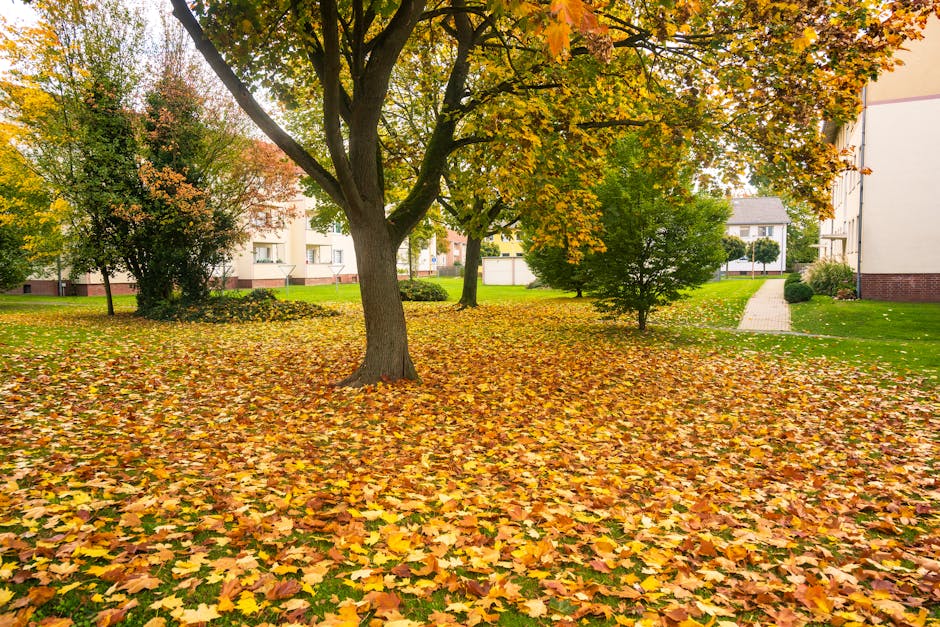
It also becomes sensible after seasonal pressure points. Spring growth can arrive quickly, and autumn leaf fall can turn a neat area into a slippery one almost overnight. A block that looks fine in early summer may need a completely different level of care by late October. That's not unusual at all.
If you are comparing providers or building a longer-term plan, it helps to browse the full services overview so you can see how maintenance, clearance, and other related work fit together rather than treating each problem separately.
Step-by-Step Guidance
Here is a practical way to think about arranging communal flat garden care in Alperton HA0. Nothing too complicated. Just a sensible sequence.
- Inspect the space properly. Walk the garden from resident access points, not just from the neatest angle. Look for weeds, uneven paving edges, overflowing planters, and places where grass or shrubs are blocking movement.
- List the regular tasks. Separate weekly or fortnightly work from seasonal jobs. For example, mowing and litter removal may be routine, while hedge reductions or a one-off tidy-up may happen less often.
- Set priorities. Safety first, then appearance, then improvement. If a path is overgrown, that outranks decorative planting every time.
- Agree the access arrangements. Communal spaces often need keys, coded entry, concierge contact, or resident notice. Sort that before the visit day, not after.
- Choose a realistic schedule. There is no point booking a high-frequency plan if the garden is tiny and low-growth, and equally no point stretching visits too far apart when the site grows quickly.
- Decide who signs off the work. One contact point reduces confusion. Ideally, one person or one management office handles updates and questions.
- Review after the first few visits. This is where small adjustments get made. Maybe the frontage needs more frequent mowing, or the back area needs better leaf removal. Fine-tune it early.
That final review step is easy to overlook, but it's where a service starts to feel tailored rather than generic. A good routine should settle in and then quietly improve. Not the other way round.
Expert Tips for Better Results
In shared blocks, the biggest improvement usually comes from consistency, not flashy changes. A neat schedule beats a dramatic one-off makeover nine times out of ten. If you want better results, focus on what keeps the garden stable.
1. Keep grass edges crisp. Edging gives a block garden a far more finished look than mowing alone. The eye picks up the difference immediately, even if nobody can quite explain why. It just looks cared for.
2. Don't let hedges drift into the walkway. Once a hedge starts squeezing a path, the whole space feels tighter. Regular hedge work keeps movement easy and avoids the "we'll deal with it next month" trap. If hedges are a constant issue, a dedicated hedge trimming visit can make a big difference.
3. Use seasonal thinking. Spring and summer need growth control. Autumn needs leaf and debris management. Winter is often about checking safety and keeping things from looking abandoned. Different rhythm, same goal.
4. Pay attention to waste removal. Nothing ruins a tidy visit faster than piles of clippings left behind. A clean finish matters, especially in communal areas where residents can see everything. It's the little things, annoyingly.
5. Protect vulnerable planting. In shared spaces, plants get walked near, brushed past, or accidentally watered by nobody in particular. Tough, practical planting usually performs better than delicate displays unless there is a very clear care plan.
6. Build in occasional restorative work. If the garden has become overcrowded or neglected, a one-off reset can help the regular programme start properly. That might include garden clearance before a maintenance schedule begins.
7. Keep communication simple. Residents do not want a lecture; they want to know what's happening and when. Short notices, clear dates, and one point of contact usually work best.
Common Mistakes to Avoid
Communal gardening problems often come from the same handful of mistakes. The good news is they are all avoidable once you spot the pattern.
- Using a one-size-fits-all schedule. A small paved frontage does not need the same plan as a large shared lawn with hedging and borders.
- Ignoring seasonal change. The garden does not keep the same pace all year. Neither should the maintenance.
- Leaving access to chance. If a contractor cannot get in easily, the job gets rushed or postponed. Not ideal.
- Focusing only on appearance. Safety and usability matter just as much as neatness, especially where children, older residents, or visitors are using the space.
- Waiting until the garden is "bad enough." By then, the work is bigger, costlier, and more disruptive.
- Skipping waste disposal or sustainability planning. A responsible service should think about clippings, green waste, and recycling wherever practical. More on that in a moment.
A surprisingly common issue is vague responsibility. Everyone assumes someone else is handling the garden, and then a few months pass. That's how small shared spaces slide. Not because anyone is careless, just because shared ownership is messy by nature. Human nature, really.
Tools, Resources and Recommendations
You do not need a huge toolkit to manage a communal flat garden well, but you do need the right equipment for the site. For most blocks, the essentials are straightforward: a reliable mower, a trimmer for hedges and edges, hand tools for weeding and pruning, waste bags or bins for clippings, and appropriate safety gear.
For larger or more complex shared spaces, more structured maintenance may include leaf clearance equipment, secateurs, a strimmer, and occasional pruning tools for shrubs or small trees. If the site includes mature growth, tree work should always be handled carefully and only when appropriate; in some cases, tree lopping and removal may be needed, but that is best judged on-site rather than guessed from a distance.
Useful recommendations for managers and resident committees:
- keep a simple maintenance log with visit dates and completed tasks
- take photos before and after seasonal resets so everyone sees the difference
- keep a short list of agreed priorities for the contractor
- review whether any hard landscaping needs repair alongside garden care
- ask how waste is handled and whether recyclable green material is separated where possible
If the shared space includes decking, paths, or built features, it can also help to think beyond planting and mowing. A block garden is often a combination of surfaces, structures, and greenery, so small improvements in one area can make the whole site feel more complete.
And yes, a broom still matters. Sometimes the simplest tool in the cupboard is the one that saves the whole visit. A bit old-school, but there we are.
Law, Compliance, Standards, or Best Practice
For communal flats, the practical side of gardening is tied to a broader duty of care. Exact responsibilities vary depending on ownership structure, tenancy arrangements, and management contracts, so it is wise to avoid assumptions. What is consistent, though, is the expectation that shared areas are kept reasonably safe and maintained to a sensible standard.
That usually means paying attention to trip hazards, overgrown paths, blocked access routes, unstable branches, and waste build-up. In everyday terms, if a resident or visitor could reasonably be put at risk by poor upkeep, the issue needs dealing with promptly.
Good practice also includes clear contractor communication, sensible site access, and a basic understanding of insurance and safety arrangements. If a provider works on communal property, it is worth checking how they approach risk controls, what happens if weather changes the plan, and whether they can show a responsible approach to site safety. A useful place to start is the company's own insurance and safety information, alongside its health and safety policy.
Waste handling and sustainability are also part of best practice now. Green waste should not simply be dumped or treated carelessly. Responsible services think about disposal, reduction, and recycling where possible. If that matters to your building, it is reasonable to ask how a provider approaches recycling and sustainability.
There is also a people side to this. Communal blocks rely on trust. Clear pricing, fair expectations, and a written scope of work all reduce tension later. For that reason, it is sensible to look at pricing and quotes before agreeing a schedule, so everyone understands what is included and what would count as additional work.
Options, Methods, or Comparison Table
Different blocks need different approaches. Some only need routine mowing and tidying. Others need a more complete service that includes clearance, trimming, and longer-term improvements. The right option depends on site size, resident expectations, and how quickly the garden changes through the year.
| Approach | Best for | Strengths | Limitations |
|---|---|---|---|
| Basic maintenance | Small, low-complexity communal gardens | Simple, cost-conscious, easy to schedule | May not be enough for heavy growth or neglected areas |
| Regular maintenance plus seasonal work | Most shared flat blocks | Balanced, stable, keeps the site looking cared for | Needs clearer planning and a reliable visit rhythm |
| Clearance first, then maintenance | Overgrown or recently neglected communal spaces | Resets the site and creates a workable baseline | More disruptive at the start, especially if access is awkward |
| Maintenance with light landscaping upgrades | Blocks wanting a more polished long-term look | Improves function and appearance together | May require a bigger budget and longer planning |
If the space is currently struggling, starting with clearance and then moving into maintenance is often the most sensible route. If it already looks decent, steady upkeep is usually enough. No need to overcomplicate it.
Case Study or Real-World Example
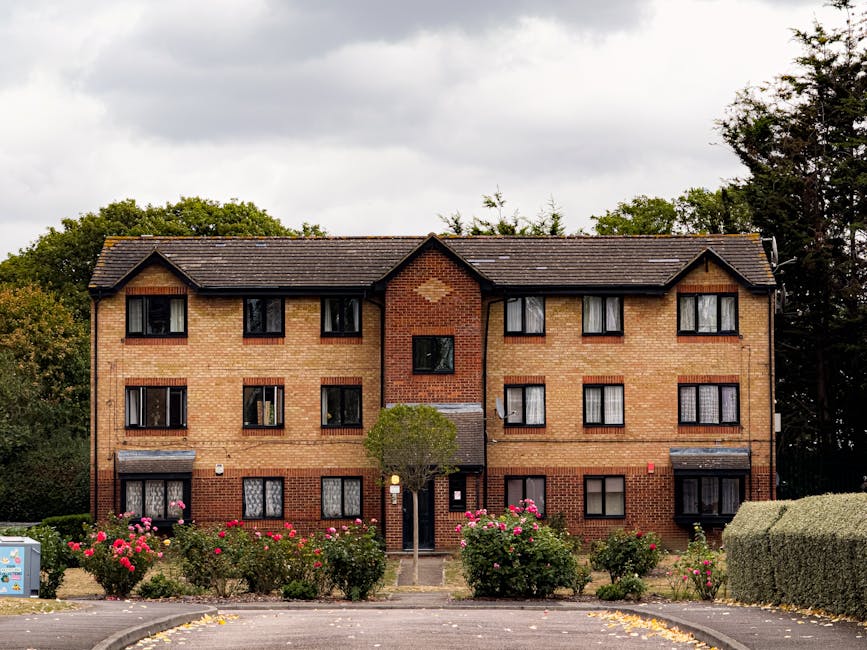
Picture a mid-sized communal block in Alperton with a shared rear garden, narrow side access, and a small front frontage by the entrance. The garden is not huge, but it sees daily foot traffic. Residents have started noticing weeds near the path, the lawn has become uneven, and the hedge by the entrance is beginning to lean into the walkway.
At first, people think it just needs a quick tidy. But once the site is reviewed properly, it becomes clear that the garden needs a more structured approach. The first visit focuses on cutting back overgrowth, clearing debris, reshaping edges, and making the main route safer. After that, the block moves onto a regular plan with routine mowing, periodic hedge trimming, and a seasonal leaf-clearance visit in autumn.
What changes? The improvement is not dramatic in a flashy sense. There is no miracle transformation, no magazine-style reveal. But the garden becomes easier to use. Residents stop raising the same complaints. The entrances feel tidier. The maintenance team knows what happens next. That kind of calm is valuable, and honestly, it is often the real goal.
In situations like this, the work is less about landscaping ambition and more about reliability. Small, steady care makes the biggest difference.
Practical Checklist
Use this checklist before booking or reviewing Alperton HA0 gardening services for communal flats:
- Is the garden being used by multiple households?
- Are paths, entrances, or shared walkways affected by growth or debris?
- Do you need regular mowing, hedge trimming, or full maintenance?
- Has the space become overgrown enough to need clearance first?
- Is there a clear access arrangement for the gardener?
- Do residents or managers know who the main contact is?
- Are safety concerns, trip hazards, or poor visibility being addressed?
- Have seasonal tasks been considered, not just summer upkeep?
- Is waste removal included or clearly explained?
- Have you reviewed pricing, scope, and any extra-charge work?
- Do you know how complaints or follow-up issues would be handled?
- Have sustainability and recycling preferences been discussed where relevant?
Quick practical note: If you cannot answer three or more of those questions cleanly, the garden arrangement probably needs tightening up before the next growing season hits.
Conclusion
Alperton HA0 gardening services for communal flats are about much more than cutting grass. They help shared spaces stay safe, orderly, and genuinely usable, which matters a lot when multiple households rely on the same outdoor area. The best results usually come from regular care, clear communication, and a plan that fits the block instead of forcing the block to fit the plan.
Whether your communal garden needs routine upkeep, a seasonal reset, or a more thoughtful maintenance structure, the key is to act before the space becomes a problem everyone is tired of talking about. A little consistency goes a long way. Really, it does.
If you are comparing options or planning the next step for a shared garden, it is worth taking a close look at maintenance scope, safety, waste handling, and long-term reliability rather than just the first tidy-up price. And if you need help turning a neglected space into something calmer and easier to live with, that first conversation is often the hardest part.
Get a free quote today and see how much you can save.
Sometimes the most comforting part is simply knowing the garden is in hand. That peace of mind counts for a lot.
Frequently Asked Questions
What do communal flat gardening services usually include?
They usually cover the core outdoor tasks shared by a block, such as mowing, hedge trimming, weeding, edging, leaf clearance, and general tidy-up work. Some sites also need occasional clearance or light landscaping depending on the condition of the space.
How often should a communal garden in Alperton be maintained?
It depends on the size of the space and how quickly it grows, but many communal gardens benefit from regular visits during the growing season and lighter maintenance during colder months. The key is consistency rather than waiting for the garden to become unmanageable.
Do communal flat gardens need a different approach from private gardens?
Yes. Shared spaces need clearer access arrangements, more attention to safety, and a maintenance plan that works for multiple users. They also need more communication because different households experience the space in different ways.
What if the garden is already overgrown?
Then a clearance visit before regular maintenance usually makes the most sense. Starting with a reset helps create a manageable baseline, so the next visits can keep the space under control instead of constantly catching up.
Can residents share the cost of communal gardening?
In many blocks, yes, but the arrangement depends on ownership and management structure. It is best to confirm how costs are handled before agreeing any schedule, so everyone understands what they are paying for.
Is hedge trimming important for communal flats?
Very often, yes. Hedges can quickly affect privacy, visibility, and walkway access in shared spaces. If hedges are left too long, the whole garden can start to feel cramped and less safe.
What should I ask before choosing a gardener for a communal block?
Ask what is included, how often visits will happen, how access is managed, how waste is removed, and how safety is handled. It also helps to ask what happens if weather or site conditions change the plan.
Do communal gardens need seasonal work as well as regular maintenance?
Usually they do. Spring growth, summer mowing, autumn leaf clearance, and winter tidying each bring different demands. A good plan changes through the year instead of staying fixed.
Are there safety issues to think about in shared garden spaces?
Yes. Overgrown paths, hidden changes in ground level, slippery leaves, and low visibility near entrances can all become problems. Good maintenance is partly about making sure people can move through the area safely.
What is the difference between garden maintenance and landscaping?
Garden maintenance is the ongoing work that keeps a space tidy and healthy. Landscaping is more about changing or improving the structure and layout of the space. In a communal flat setting, maintenance is usually the first priority, with landscaping used when the site needs improvement or redesign.
How do I know if my block needs a one-off tidy-up or an ongoing plan?
If the garden only looks untidy after a particular event or season, a one-off tidy-up may be enough. If growth, weeds, and clutter keep returning, an ongoing plan is the better choice. Shared spaces usually benefit from regular attention, to be fair.
What happens if residents disagree about the garden?
That is common in communal living. The easiest way forward is usually to define the essentials first: safety, access, cleanliness, and frequency. Once the basics are agreed, it becomes much easier to handle opinions about appearance or planting preferences.